















Five Candidates to be the Vancouver Canucks' Next Captain—Ranked
With the Canucks struggling through the opening quarter of the season, the search for their next captain is becoming one of the team's most interesting storylines.

The Vancouver Canucks have plenty of questions to answer this historically horrible season (it's a rebuild, so I guess we as fans got what we wished for), but one of the biggest might have nothing to do with their place in the standings. Who should be the team's next captain?
Since Quinn Hughes was traded to Minnesota last winter, the Canucks have operated without a permanent captain. Instead, the Canucks entered the 2026–27 season with six alternate captains, splitting leadership responsibilities between home and road games.
Through 23 games, the Canucks have struggled to a 5-17-1 record, which ranks dead last in the league. However, consecutive victories over Vegas and Utah have provided some encouragement (and some much-needed entertainment) after a seven-game losing streak.
Amid the difficult start, several players have made their case for a larger leadership role.
But being a captain isn't simply about scoring goals or collecting assists. Leadership requires consistency, accountability, respect from teammates, communication with the media and the ability to guide a team through adversity.
With those qualities in mind, Sports Page BC ranks five candidates to become the Vancouver Canucks' next captain.
1. Brock Boeser — The Front-Runner
2026–27 stats: 23 GP | 8 G | 15 A | 23 PTS
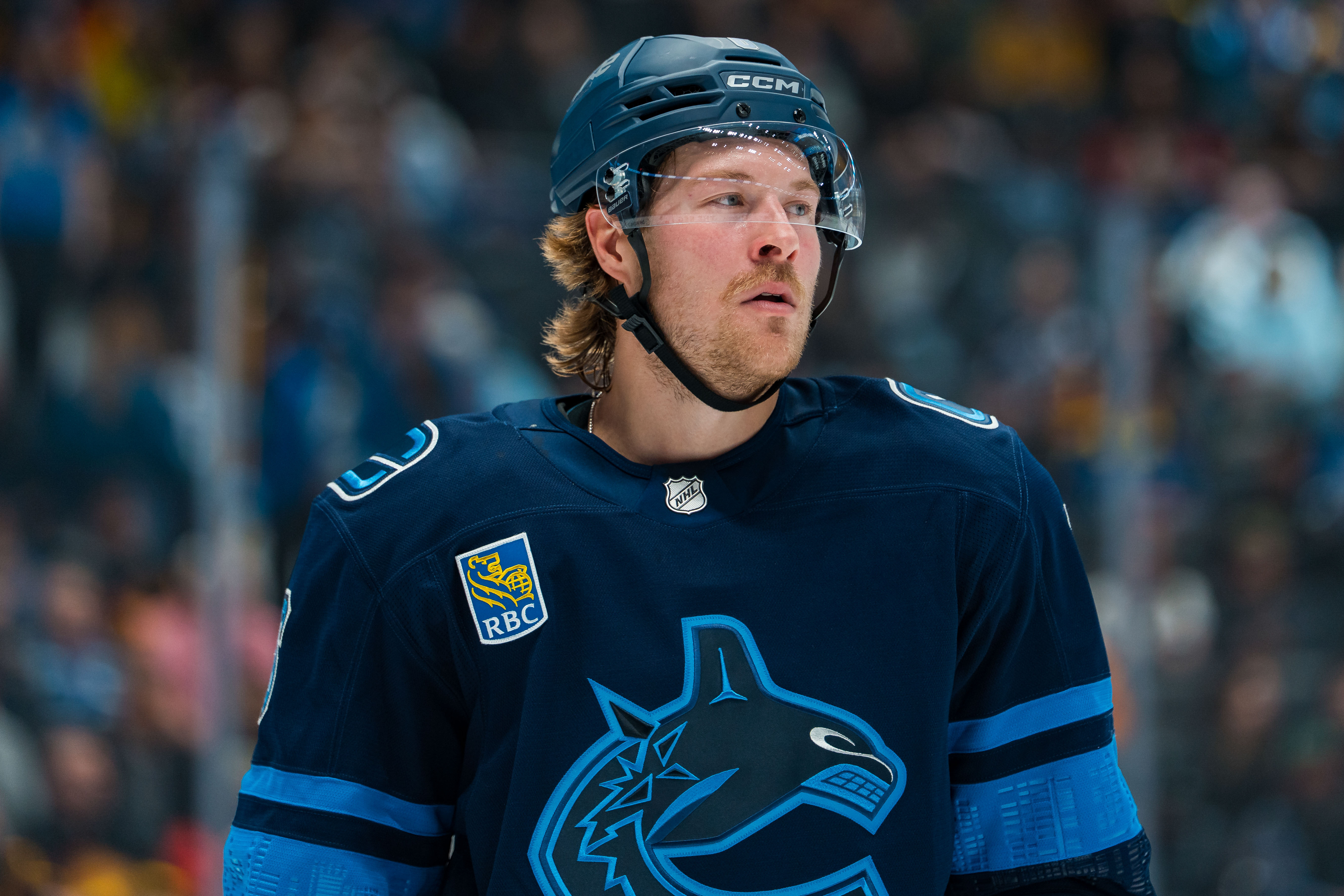
If the Canucks named a captain tomorrow, Brock Boeser would arguably be the safest choice. The 29-year-old winger is Vancouver's longest-serving player and recently became just the eighth player in franchise history to record 500 points with the organization.
He has also delivered offensively, recording 23 points through 23 games, including an eight-game point streak capped by a three-point performance against Utah on November 16.
He's known to be a streaky player when it comes to production, but Boeser's strongest argument extends beyond production.
He's experienced Vancouver's highs and lows, developed strong relationships throughout the organization and grown increasingly comfortable representing the franchise.
Head coach Manny Malhotra recently praised Boeser's development as a leader, noting his willingness to speak up in the dressing room and lead by example.
Boeser might not be the loudest personality, but captains don't necessarily need to be.
The verdict: Experience, loyalty, production and respect make Boeser the leading candidate.
2. Filip Hronek — The Quiet Leader
2026–27 stats: 23 GP | 1 G | 13 A | 14 PTS
Filip Hronek might have the strongest case when it comes to leadership through his play.
The Czech defenceman routinely handles Vancouver's toughest defensive assignments, averaging more than 26 minutes per game this season.
With Hughes gone, Hronek has become an essential presence on Vancouver's blue line, helping guide younger defencemen while maintaining a demanding workload.
Earlier this year, teammate Marcus Pettersson described Hronek as the "heart and soul" of the defence, while goaltender Kevin Lankinen praised his consistency and high standards.
His biggest obstacle might be his reserved personality. Hronek isn't known for lengthy media appearances or commanding press conferences.
But leadership inside the dressing room matters considerably more than delivering polished interviews.
The verdict: If Vancouver prioritizes on-ice accountability and setting standards, Hronek could be the strongest choice.
3. Elias Pettersson — The Redemption Candidate
2026–27 stats: 23 GP | 6 G | 17 A | 23 PTS
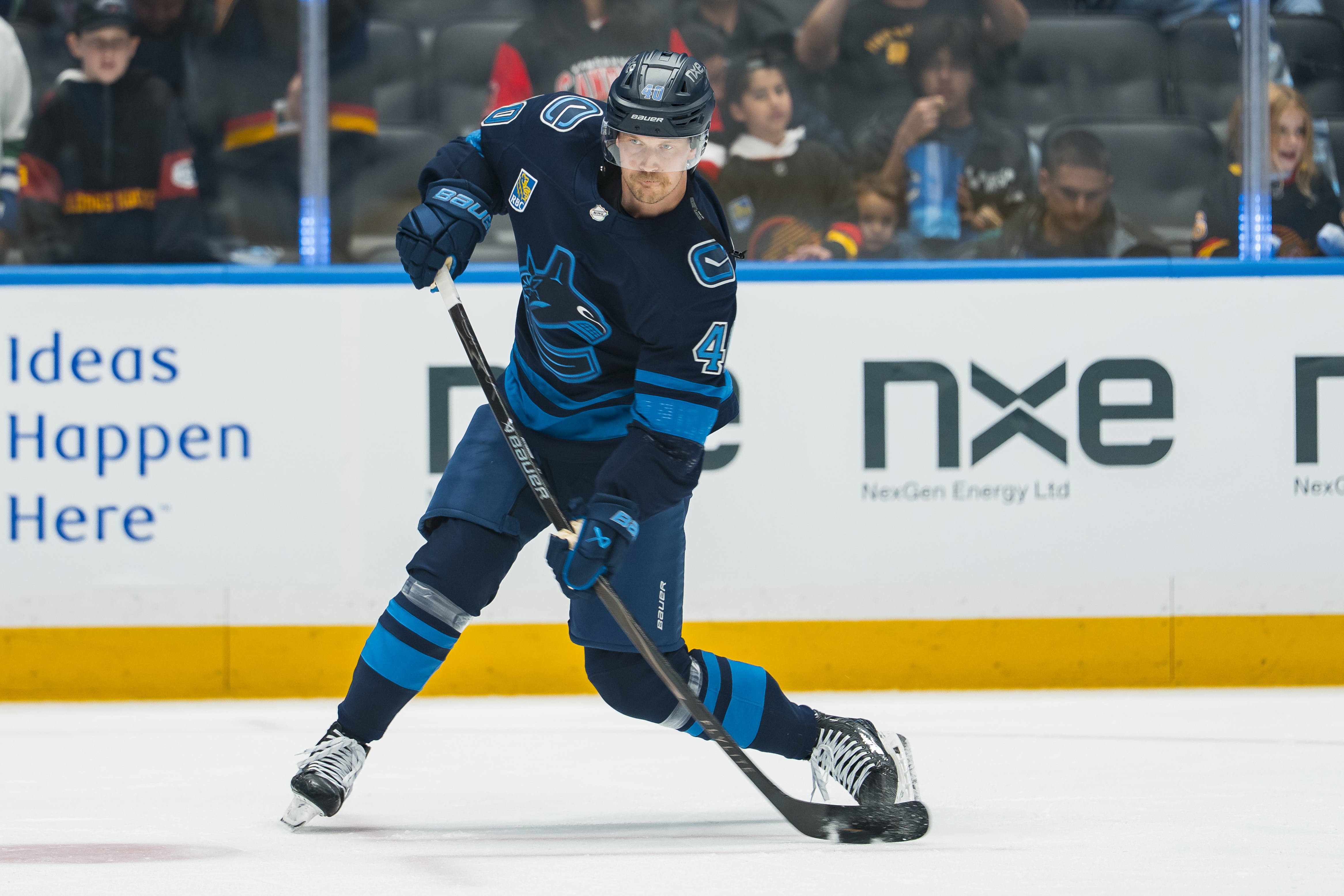
A year ago, Elias Pettersson (EP40) might have been a difficult sell as Vancouver's next captain. Today, the conversation is considerably different.
Following two disappointing seasons, Pettersson has rediscovered much of the form that previously made him one of the NHL's premier young centres.
His 23 points in 23 games are encouraging, but perhaps more importantly, he's playing a more complete game.
EP40 has been winning puck battles, blocking shots, engaging physically and accepting significant responsibility in all situations.
General manager Ryan Johnson has publicly praised his renewed commitment and willingness to compete. There is also something compelling about the possibility of Pettersson becoming captain after overcoming a challenging period in his career.
However, the question remains whether the additional responsibility would benefit him or create unnecessary pressure.
The verdict: Pettersson has the talent and commitment to lead, but allowing him to concentrate on rebuilding his game might be the better decision.
4. Linus Karlsson — The Dark Horse
2026–27 stats: 23 GP | 6 G | 6 A | 12 PTS
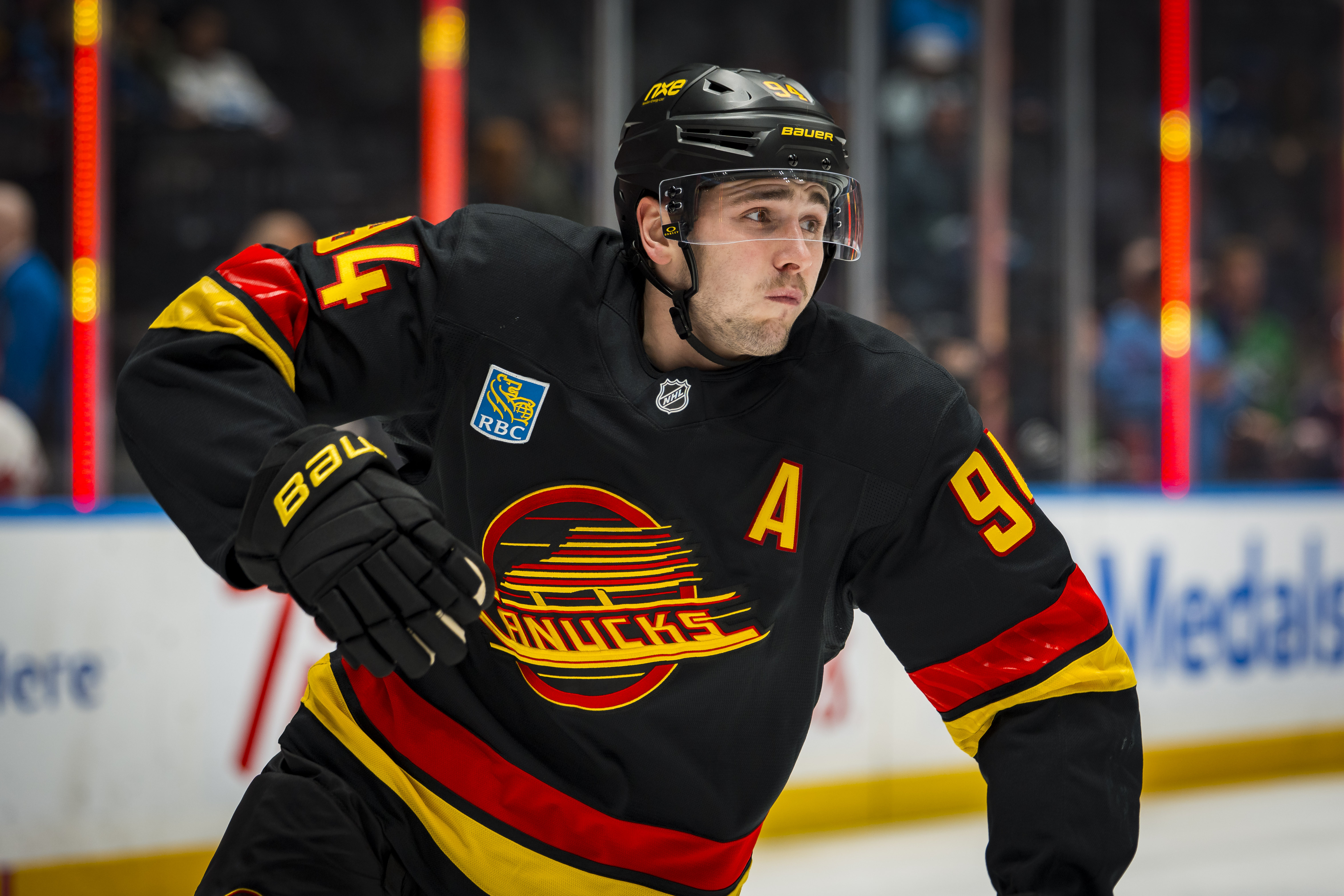
Linus Karlsson probably wasn't on many fans' captaincy shortlists entering the season, but the 27-year-old forward has quietly emerged as an important part of Vancouver's leadership group.
Karlsson was named an alternate captain for home games, despite being relatively early in his NHL career.
His selection speaks to the confidence the coaching staff has in his character, work ethic and influence on teammates. Karlsson has also contributed offensively, including a two-goal performance recently against Vegas.
When discussing his leadership role earlier this season, Karlsson emphasized competing every day, treating teammates positively and demonstrating the right habits.
His connection to the Abbotsford Canucks and the organization's development system is another interesting consideration as the team builds toward the future.
The verdict: An unconventional choice, but Karlsson represents the culture and work ethic Vancouver wants to establish.
5. Zeev Buium — The Future Captain?
2026–27 stats: 23 GP | 0 G | 5 A | 5 PTS
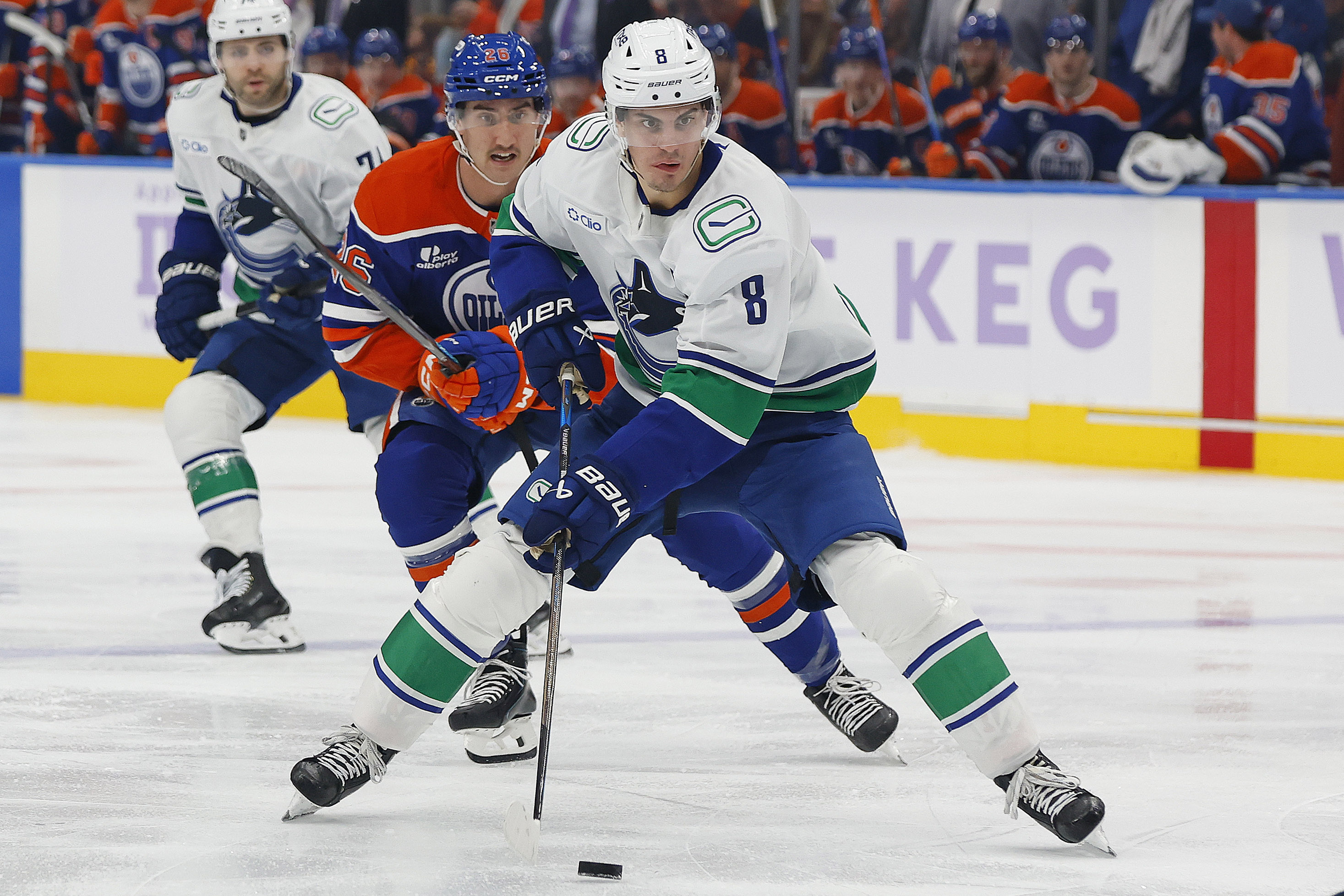
At just 20, Zeev Buium is easily the most intriguing name on this list. The young defenceman has already been given an alternate captain's role, an unusual responsibility for someone so early in his NHL career. More importantly, the organization has demonstrated its long-term commitment by signing Buium to an eight-year, $75.04-million contract extension this offseason.
Ryan Johnson has praised Buium's maturity and leadership, suggesting the organization views him as more than an emerging offensive defenceman.
Buium also appears comfortable communicating publicly and has spoken about the importance of leading by example.
Still, his NHL development remains a work in progress.
Handing him the captaincy now would create significant expectations for a player who is still establishing himself.
But three or four years from now? The conversation could look very different.
The verdict: Probably too early today, but Buium could eventually become the face and leader of Vancouver's next competitive team.
So Who Deserves the 'C'?
With the franchise rebuilding and a new generation of players emerging, the organization can afford to let its leadership structure develop naturally.
Boeser currently offers the best combination of experience, production and stability. Hronek brings accountability and consistency, while Pettersson has an opportunity to redefine his standing within the organization.
Karlsson represents the culture Vancouver hopes to build, and Buium could ultimately become the long-term answer.
For now, Boeser gets our vote.
But if this difficult season has shown one thing, it's that Vancouver's next captain may not be its biggest star. It will be the player best equipped to lead the Canucks back to relevance.