








Could the Vancouver Grizzlies Actually Come Back? Here's What It Would Cost
Could the Vancouver Grizzlies return to the NBA? We break down the multibillion-dollar cost of expansion or relocation, potential investors, and why Vancouver deserves another shot at professional basketball.
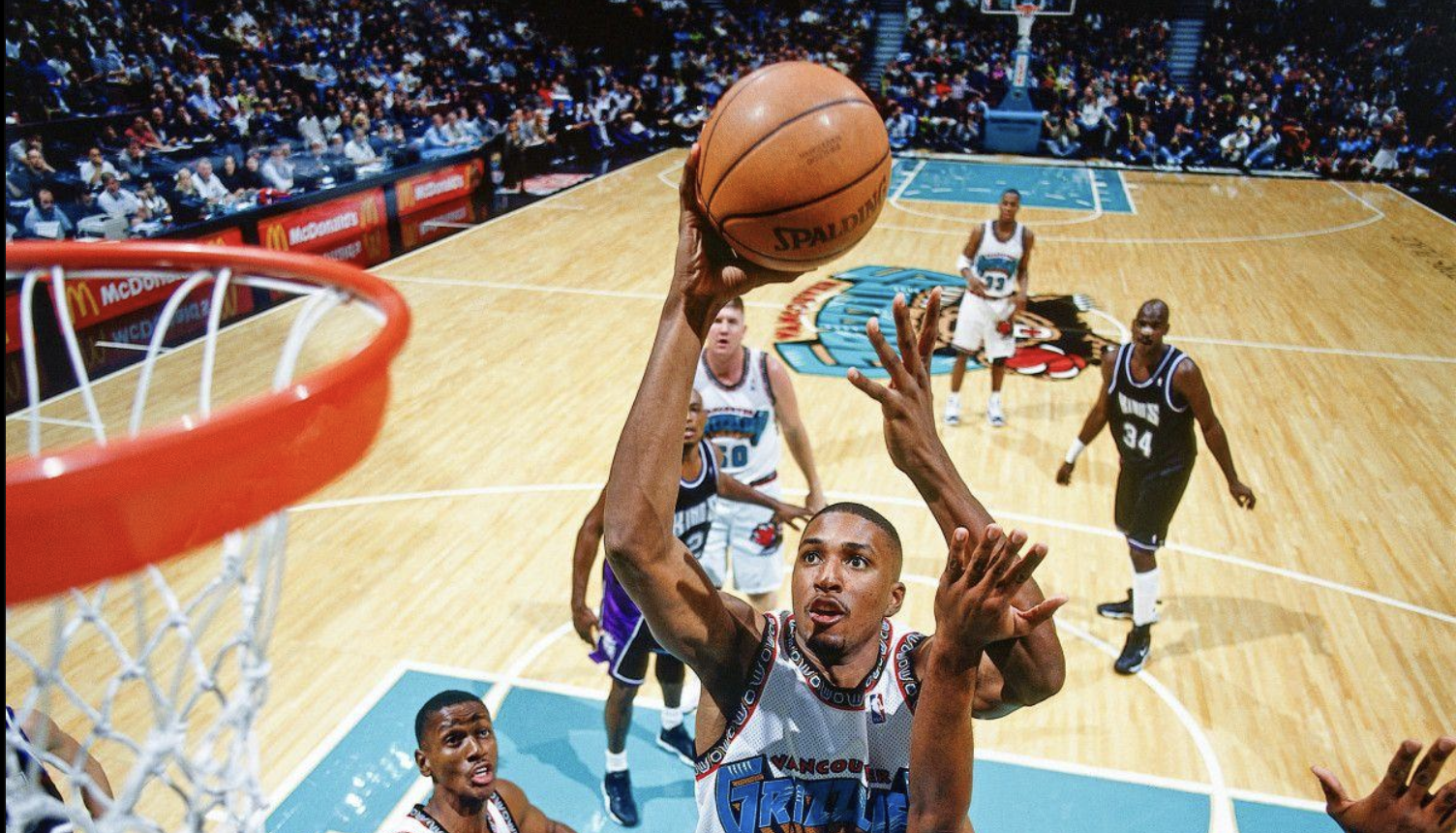
Twenty-five years after losing its NBA franchise, Vancouver is bigger, wealthier and more basketball-obsessed than ever. But bringing back the Grizzlies could require one of the largest sports investments in Canadian history.
It's been 25 years since the Vancouver Grizzlies packed their bags for Memphis, leaving behind a basketball fan base that never really got over losing its team. With the NBA now moving toward expansion in Seattle and Las Vegas, an inevitable question is resurfacing around these parts: Could one day Vancouver finally get another shot?
Vancouver has the population, an existing NBA-capable arena and a dramatically different basketball market than it did back in 2001. What Vancouver doesn't have is several billion dollars in committed ownership capital, or an invitation from the league. Two very big things. Plus the cost of getting into the NBA has become staggering.
Why does an NBA franchise cost $10 billion?
In March 2026, the NBA authorized the exploration of expansion into Seattle and Las Vegas. Initial industry estimates placed franchise fees between US$7 billion and US$10 billion, numbers that were unimaginable a decade ago and seemed unbelievable in today's sports landscape.
Since then, the price has climbed even higher. In September, ESPN reported that three finalist ownership groups for Las Vegas were pursuing bids between $12 billion to $13 billion USD, including a potential new arena. These are proposed investment amounts, not finalized franchise fees.
For perspective, Vancouver and Toronto each paid US$125 million to enter the NBA in 1995. When adjusted for inflation it's roughly $275 million. What a steal of a deal those fees were.
Of course the dramatic increase reflects the league's commercial growth, lucrative broadcasting agreements and the scarcity of available franchises. And the existing owners must be compensated for dividing future league revenues among 32 teams instead of 30.
For Vancouver, however, expansion at these prices appears financially daunting.
Could the Memphis Grizzlies return instead?
There is another possibility, and one that would make for an extraordinary sports homecoming: purchasing and relocating an existing franchise.
According to Sportico's October 2026 valuations, the Memphis Grizzlies are the NBA's least valuable franchise at approximately $4.2 billion. The New Orleans Pelicans are another comparatively lower-valued team.
However, purchasing a franchise represents only part of the expense. Any buyer would likely need to pay a premium above its estimated market value, satisfy contractual obligations and negotiate relocation approval and any applicable fees with the NBA.
Lets consider a hypothetical Vancouver acquisition: $4.2 billion for the franchise, a 20% acquisition premium adding US$840 million, and another US$500 million reserved for relocation and transition costs. That's a potential transaction approaching $5.5 billion, before major arena improvements or other obligations. The relocation allowance is illustrative, not a published NBA fee.
It's considerably less than some expansion scenarios, but still hardly inexpensive.
There's also an enormous obstacle. Commissioner Adam Silver explicitly stated in February that relocation was not under consideration, while Memphis has been working toward a longer-term arena arrangement.
Neither franchise is publicly available for relocation. For now, we all can just dream but this is could be a legitimate path.
Who could actually afford to bring the NBA back?
Vancouver has considerable private wealth, but assembling an ownership group capable of financing a multibillion-dollar basketball franchise would be challenging.
The Aquilini family owns Rogers Arena, providing an obvious advantage in any future bid. The building previously accommodated the Grizzlies and could potentially host NBA basketball again, although modern facility, scheduling and revenue requirements would need to be addressed.
Other hypothetical investors include Lululemon founder Chip Wilson, developer Ryan Beedie, Jim Pattison family interests, Aritzia founder Brian Hill and White Claw founder Anthony von Mandl. Wealthy investors from Alberta or international markets could also participate. None is known to be pursuing an NBA franchise but you also don't need the buyer(s) to be local.
Realistically, a team in Vancouver would require a consortium rather than a single billionaire. Together, that is approximately C$7.13 billion, before transaction costs or future operating commitments.
Even a group of Vancouver's wealthiest business families would be making an extraordinary financial commitment. Debt financing or institutional capital could reduce individual equity requirements, but would introduce other obligations.
Ownership of Rogers Arena would also need to be addressed through a rental agreement, equity partnership or another arrangement. Building a new arena could add billions more.
Vancouver isn't the city it was in 2001
The strongest argument for another NBA franchise is how dramatically Vancouver has changed.
Metro Vancouver has grown from approximately two million residents around the Grizzlies' departure to more than three million today. Add the Fraser Valley and Greater Victoria, and the broader regional market becomes closer to 4 million residents.
The region has also experienced substantial demographic change, including growing Chinese, South Asian and Filipino communities, communities that contribute to Vancouver's expanding basketball culture.
Then there's the enduring argument that Vancouver couldn't support the Grizzlies. That Vancouver isn't a sports town?
Just for reference, the original franchise won just 101 games over six seasons, never reached the playoffs and finished with a dismal .220 winning percentage and never really drafted a superstar. That's pathetic anyway you slice it. Despite that record, Vancouver averaged 17,183 fans during its inaugural season and still drew 13,737 per game in its final year.
Those final-season numbers were below the NBA average, but came after years of losing basketball and mounting relocation uncertainty.
Perhaps the question isn't simply whether Vancouver failed the Grizzlies, but whether the Grizzlies ever gave Vancouver a competitive team worth supporting.
The WNBA could offer an important first step
Vancouver's basketball ambitions aren't limited to the NBA.
In September, a local group led by Bill Bakk, Jodi Evans and Kevin Hanson revealed plans to pursue a WNBA expansion franchise, estimating approximately C$500 million would be required.
The announcement followed the Toronto Tempo's two regular-season games at Rogers Arena in August, demonstrating local interest in professional women's basketball.
A WNBA franchise doesn't mean that one day the NBA could return, but it does strengthen Vancouver's basketball ecosystem, attract corporate partners and establish further evidence of investor demand.
What happens after Seattle and Las Vegas?
Seattle and Las Vegas are the NBA's immediate priorities. Beyond those markets, however, Vancouver deserves consideration in future expansion discussions.
Its metropolitan population is larger than several frequently discussed American candidates, including Austin, Nashville and Kansas City. The city also benefits from established professional sports infrastructure and proximity to Seattle and Portland.
Complications remain, particularly the Canadian dollar, television economics and corporate sponsorship opportunities relative to major American markets but by the time we get to another franchise expansion, Vancouver will be much larger and the corporate base will grow with that.
Silver himself has acknowledged ongoing interest in Vancouver, recognizing how dramatically Canada's basketball market has evolved. Ultimately, bringing the Grizzlies back would require billions of dollars, an extraordinarily committed ownership group and a significant change in the NBA's expansion or relocation plans.
Twenty-five years later, Vancouver has grown into a much different city. Whether the NBA eventually gives it another opportunity may depend less on basketball enthusiasm than on who is prepared to write the cheque.